
Table of Contents
Most healthcare marketing is boring as sh*t.
There, I said it.
You’ve seen it. I’ve seen it. We’ve all landed on websites that read like a medical textbook with a migraine and of course, many industries need that – pharmaceuticals for one. Words like “synergistic patient outcomes,” “proprietary diagnostic frameworks,” and “integrated wellness paradigms.”
If you’re not in the pharma industry and actually talking more B2C, you may think sounding “professional” means sounding “clinical.” You think you need to hide behind a wall of expert level language to prove you’re serious.
You’re wrong.
In the trenches of healthcare and wellbeing, the biggest mistake is forgetting your audience is made of actual, breathing, feeling humans. People scared, hopeful, or just plain tired. They don’t want a white paper; they want to know you get them.
That’s where storytelling in business comes in. It’s not about fairy tales or children’s books. It’s about being relatable enough that someone actually trusts you with their health.
Why Your Messaging Is Putting People to Sleep
Why do we do it? Why do we use five-syllable words when one would do?
Usually, it’s fear. Fear of not being taken seriously. Fear of sounding too “simple.” But here’s the thing: Jargon is a mask.

If you use heavy terminology in your brand messaging, you aren’t showing off your expertise I’m sorry, you’re actually building a wall for yourself. You’re basically telling your reader, “I’m the expert, you’re the one who needs to listen and learn” and that SUCKS for your readers, because all your customers are looking for is a solution to the problem that’s making their life extremely difficult right now.
They want to know if you can help them chase their kids around the park again or finally get a decent night’s sleep after so many years – and big, complex words are a right turn off indeed.
What is Storytelling in Business?
People love to make this sound complicated but it’s really not.
Storytelling in business is simply the art of moving someone from Point A (where they have a problem) to Point B (where you’ve helped them solve it) using a narrative they actually resonate and can get on board with.
It’s about ditching the robotic, “We do X for Y” and replacing it with, “We saw your struggle, and here’s we’ve fixed it for others who’ve been through a similar thing.” It’s about human-centric marketing that prioritises the person’s feelings first above everything else.
Think about your favorite brand for a sec, if you have one. Picture them in your mind.
Do you like them because they have the ‘most advanced optimisation algorithms’? Probably not. You like them because they make you feel something. Maybe it’s confidence? Maybe it’s relief? Maybe it’s joy?
In healthcare, that feeling is everything.
From ‘Patient’ to ‘Person’: Humanise!
If you want to master storytelling in business, you have to stop talking to ‘patients’ and start talking to people.
I’ve worked with brands that were terrified of sounding too casual; they thought if they didn’t use the word “efficacy” at least ten times, nobody would buy their supplements or use their app.
Total nonsense.
Here’s how you flip the script:
- Focus on the “gain”: Don’t just tell me how the tech works. Tell me what life looks like after the tech has done its job.
- Use everyday language: If you wouldn’t say it to a friend over coffee, don’t put it in your copywriting.
- Share the struggle: People relate to the “messy middle” parts. Share the stories of why you started. Share the hurdles your clients faced etc etc.
The Anti-Hype Manifesto
I hate hype. I really do.
I despise those aggressive, “BUY THIS NOW OR YOUR LIFE IS OVER” sales tactics that make healthcare feel like a late-night date show. It’s tacky, and it’s dangerous.
My approach is 100% anti-hype. I don’t believe you need to scream to be heard. I believe that if you have something real to say, you can say it clearly, honestly, and humanly.
That’s why I focus on human-centered storytelling. It’s about finding the “why” behind your brand and articulating it so clearly that your audience thinks, “Finally, someone gets me.”
No to robotic messaging. No to aggressive “bro-marketing” tactics. Just clear, strategic communication that drives conversions because it actually respects the reader first and foremost.
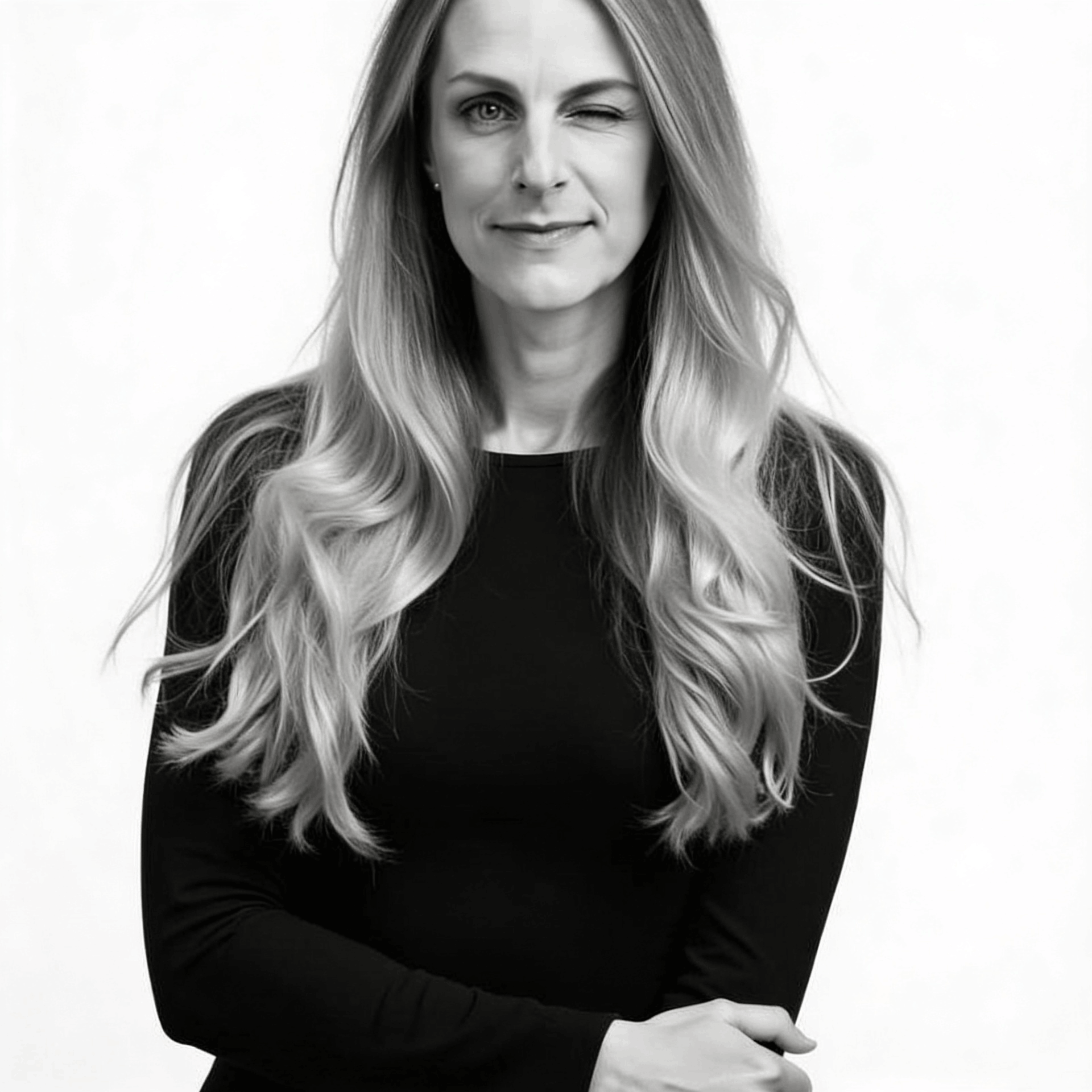
Winking shows my crowsfeet – I smile a lot that’s all!!
Why Direct Access Is Your Secret Weapon
Ever worked with a big agency? It’s usually a mess.
You talk to a “Senior Account Manager,” who talks to a “Junior Strategist,” who eventually hands a brief to a “Freelance Copywriter” who has never even seen your product. The result? Diluted, safe, utterly boring content.
When you work with Sophie Copy Company, you get me.
I’m the strategist. I’m the writer. I’m the one in the trenches with you. You get 100% direct access to the person actually putting words on a page.
Why does this matter for storytelling in business?
Because stories are personal. You can’t “outsource” the soul of your brand to a factory-line agency. You need someone who listens, probes, and finds the threads of gold.
I’ve helped brands drive over $5M in revenue not by using fancy tricks, but by being the human bridge between their product and their customers (and by being a writer for over 8 years, who also writes poetry believe it or not)
Quick Tip: How to Start Telling Better Stories
Ready to stop sounding like a robot? Course you are.
Here is the “no-brainer” list for better storytelling:
- Kill the passive voice: Instead of “It was discovered that,” try “We found.” It sounds more human.
- The “So What?” Test: Read your copy. After every sentence, ask “So what?” If the answer is just “to sound smart,” delete it.
- Use analogies: Treat attention spans like goldfish. If you’re explaining a complex medical process, compare it to something everyone knows. (Like a plumbing system or a messy closet, you get what I mean.)
- Show, don’t tell: Don’t tell me you’re “compassionate.” Show me a story of how you actually helped someone in a tough moment.
- Strategic bolding: Use it. Like I am right now. It helps skimmers find the meat of your message.
The Bottom Line
Storytelling in business isn’t a luxury – it’s a necessity.
In a world where healthcare and wellbeing brands are popping up every five minutes, the only thing that will set you apart is your voice. Not your features. Not your price point. Your voice.
Stop hiding behind big words; start being human.
Want to see how your brand can actually connect with your readers? Let’s chat.